On April 21 in Lille, Professor Rochdi Merzouki's team from the Cristal laboratory (signal and automation research center-UMR CNRS 9189) at the École Polytechnique de Lille presented the Robotic Curie Therapy project to an audience of industrialists, researchers, representatives of regulatory bodies, and official organizations.
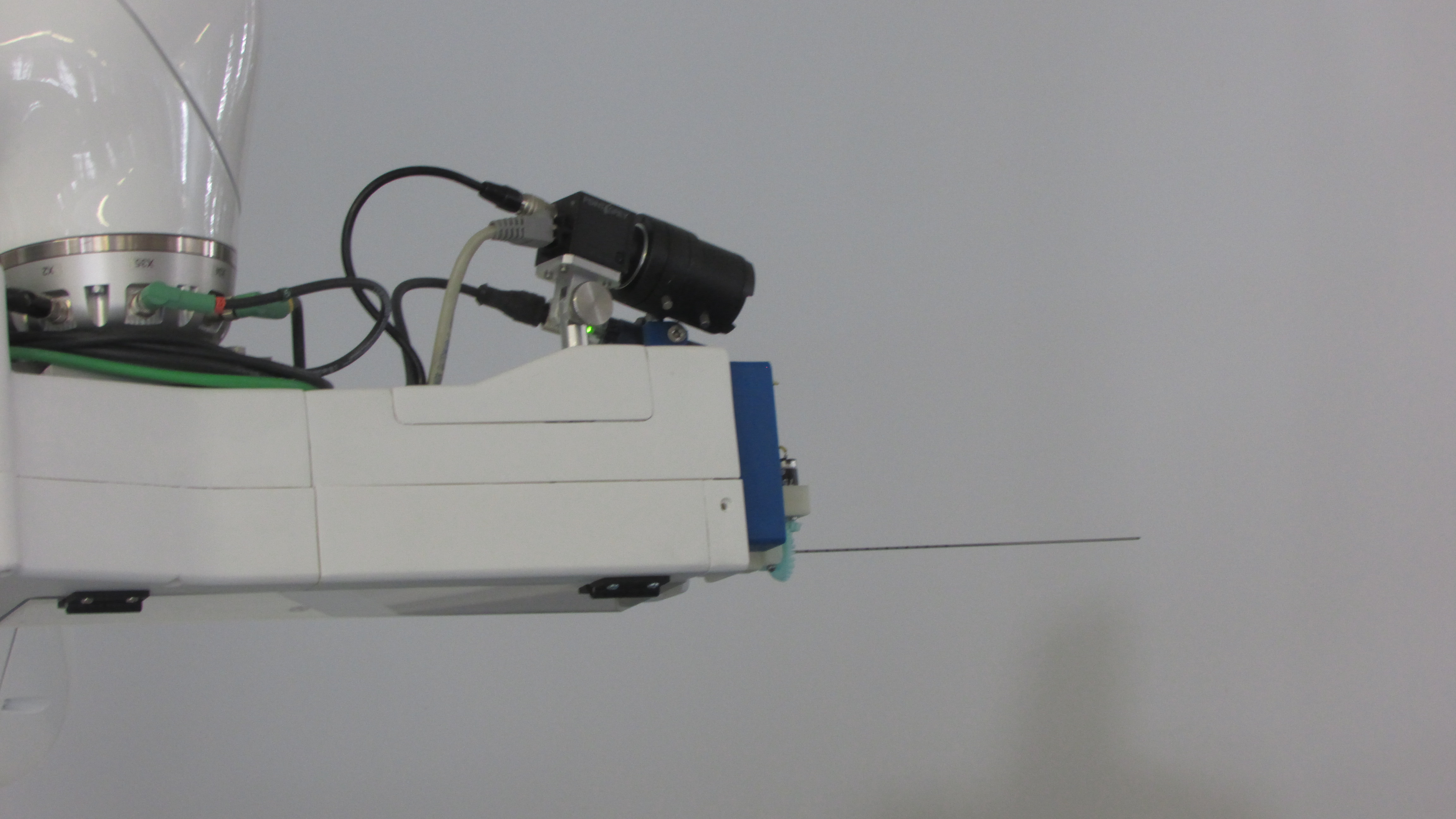
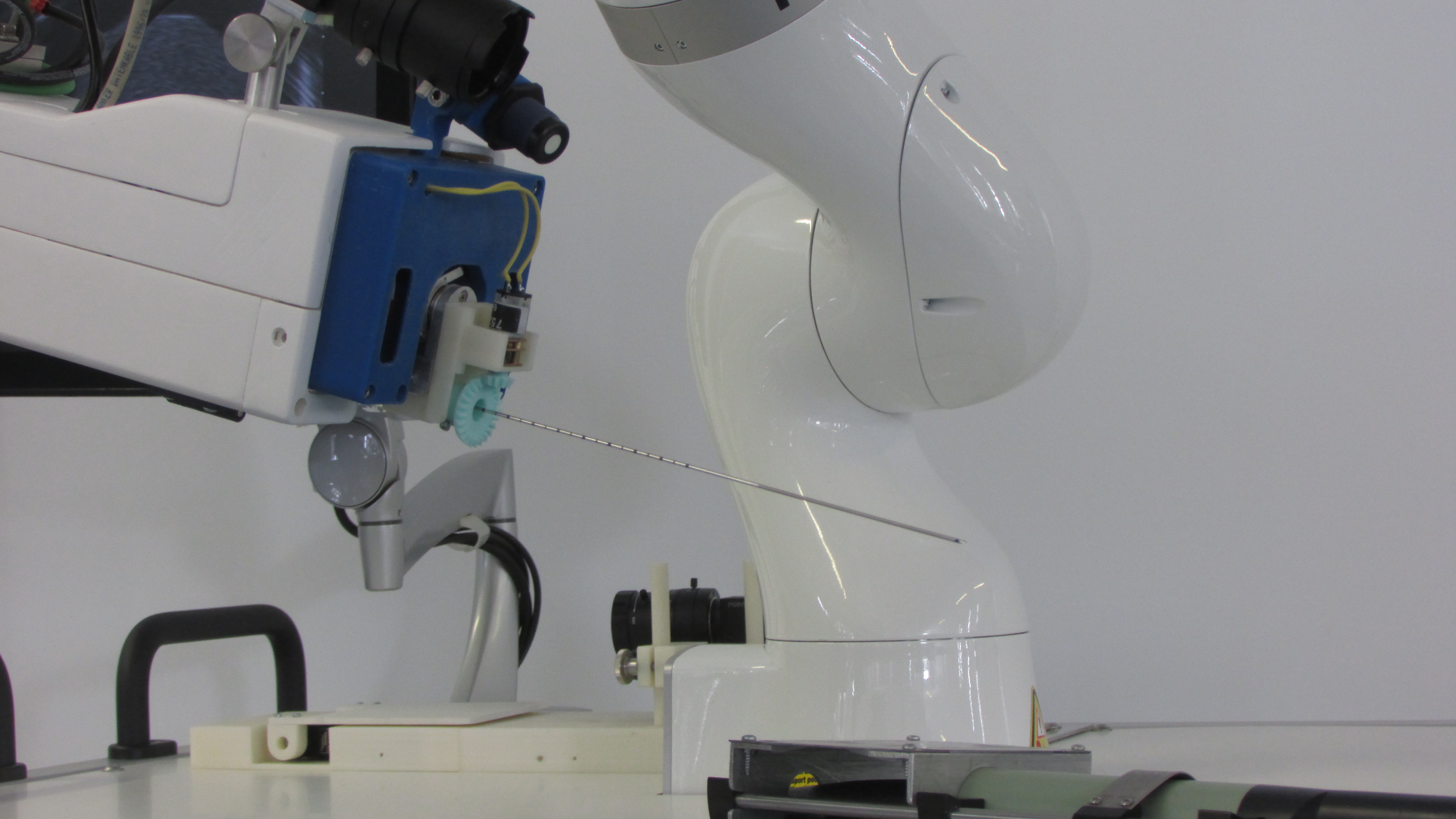
The device is composed of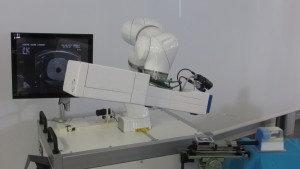 consisting of a robotic arm, an operating unit (equipped with numerous sensors, a camera, a grain storage compartment, and a device for loading grain into the needle), and monitoring software.
This automated system can be used to perform biopsies and treat prostate cancer using brachytherapy. Brachytherapy involves inserting radioactive iodine-125 seeds into the patient's prostate to destroy cancer cells. These implants, whose radioactivity decreases gradually and rapidly, remain in place after treatment.
Biopsy is a complex procedure that provides very little quantitative information about the samples taken. Robotization is now seen as the solution for improving the quality of prostate cancer diagnosis, by improving the accuracy of samples while reducing the risk of infection.
Robotic brachytherapy offers many advantages:
For the patient:
it reduces the risk of inflammation by using only one needle and significantly reducing the number of entry points required to deposit the granules, provides a more reliable procedure with greater precision in needle placement, and offers a faster recovery time, with the procedure time reduced from 1.5 to 2 hours to 20 minutes.
For the radiation therapist:
this new system prevents prolonged exposure to radioactive elements, facilitates surgical procedures thanks to the adaptability of the robotic arm, and allows for control via supervision software and self-calibration of the device. The mobility of the system could even allow specialists to treat several patients in a single room with a single anesthesiologist.
Professor Merzouki, assistedby Vincent Coelen and Abdelkader Belarouci, both maturation engineers at SATT Nord, in collaboration with Dr. David Pasquier and Professor Eric Lartigau from the Oscar Lambret Center, have already tested the device on prostate phantoms and anatomical subjects. They have also developed a new version of the dosimetry software (adapted to the insertion of needles at an oblique angle in particular) which provides the robot with a working plan and allows it to operate autonomously.